 Announcement
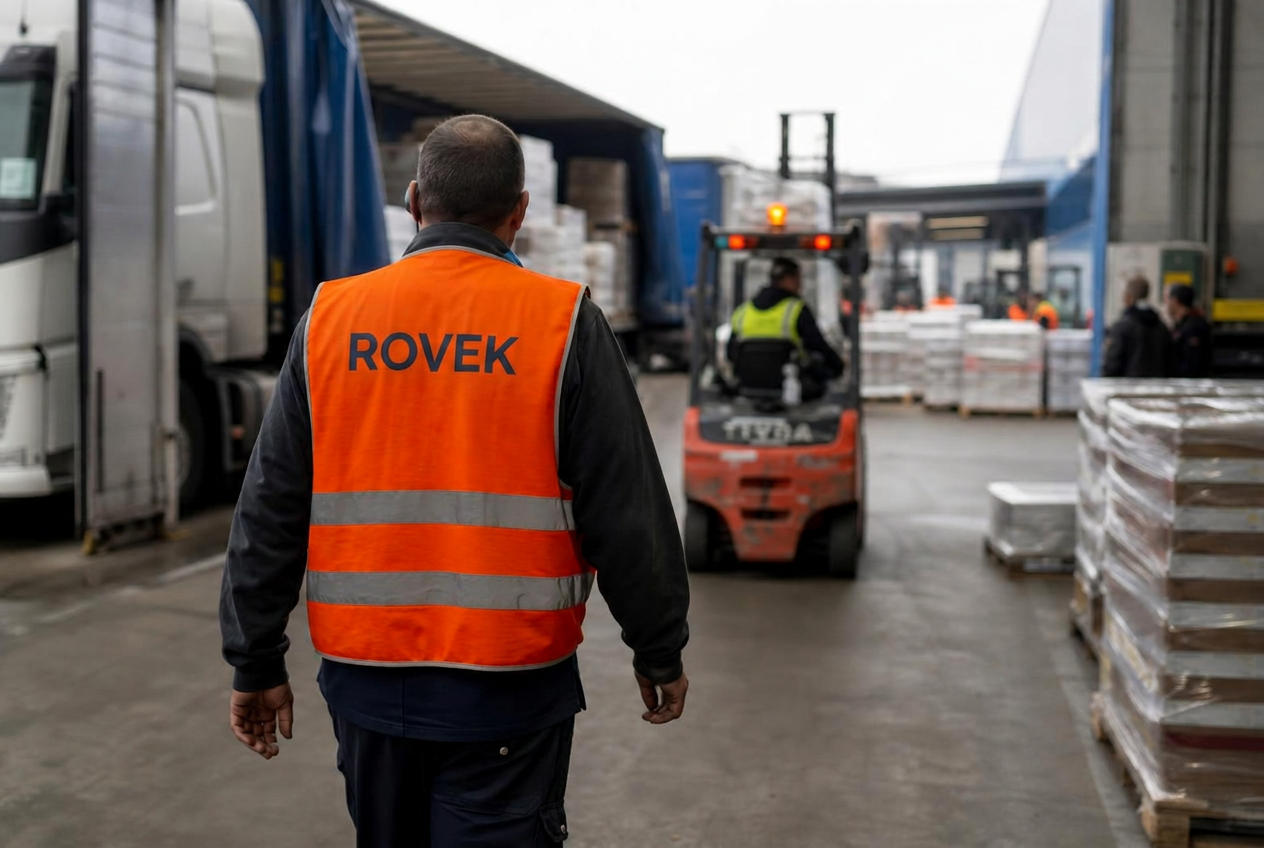
Rovek completes large-scale dock vision rollout at a Midwest 3PL
Multi-site rollout of camera-based dock and yard intelligence, integrated to WMS and TMS exception workflows.
News
Trends and practical guidance on computer vision, logistics technology, manufacturing systems, construction intelligence, energy monitoring, and the changing role of automation. Our archive tracks the trends that shaped today's market, including the COVID-era shift toward remote visibility and resilient operations.
AnnouncementMulti-site rollout of camera-based dock and yard intelligence, integrated to WMS and TMS exception workflows.
 Announcement
A multi-line pilot using camera-based inspection to detect missing components, mis-assembly, and label issues before parts leave the cell.
 Computer Vision
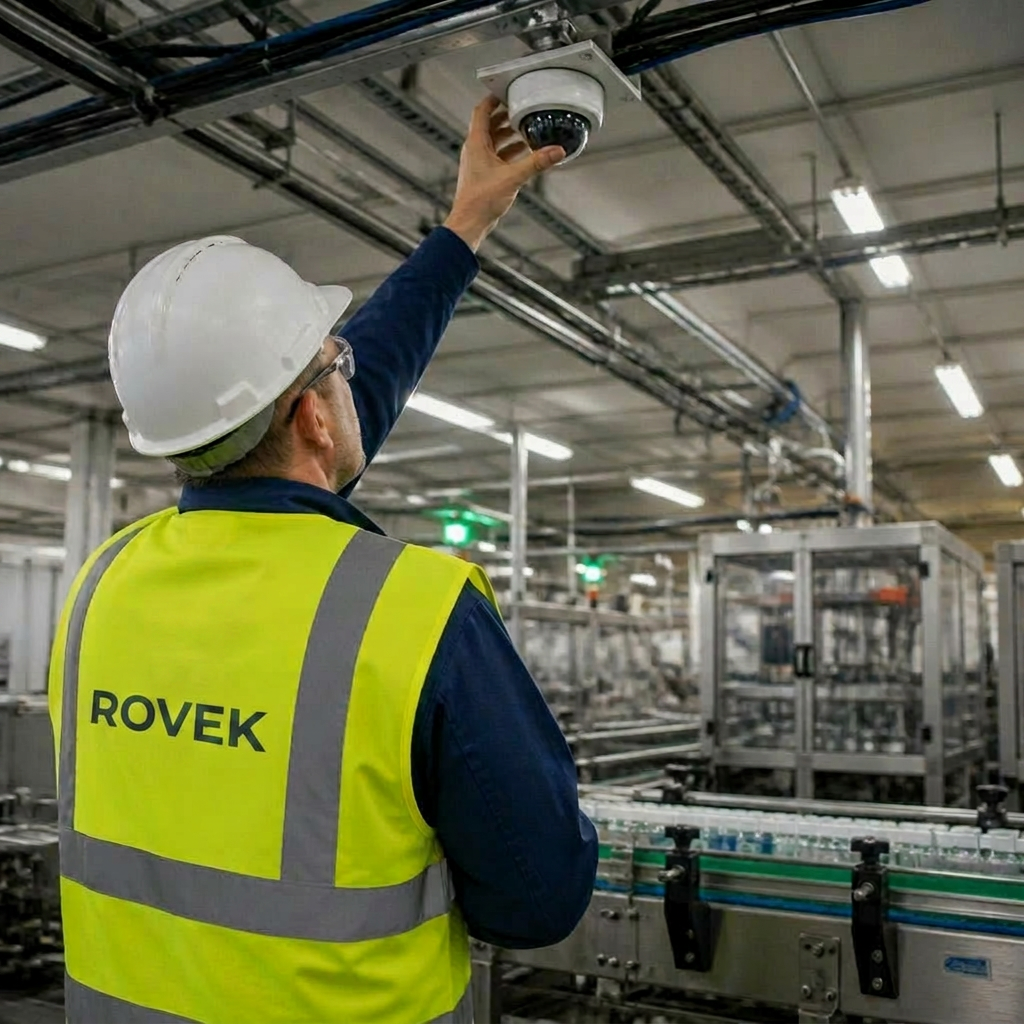
Industrial operators are realizing that visual data can do more than record incidents. It can verify work, detect exceptions, monitor movement, support quality, and trigger operational workflows.
 Field Implementation
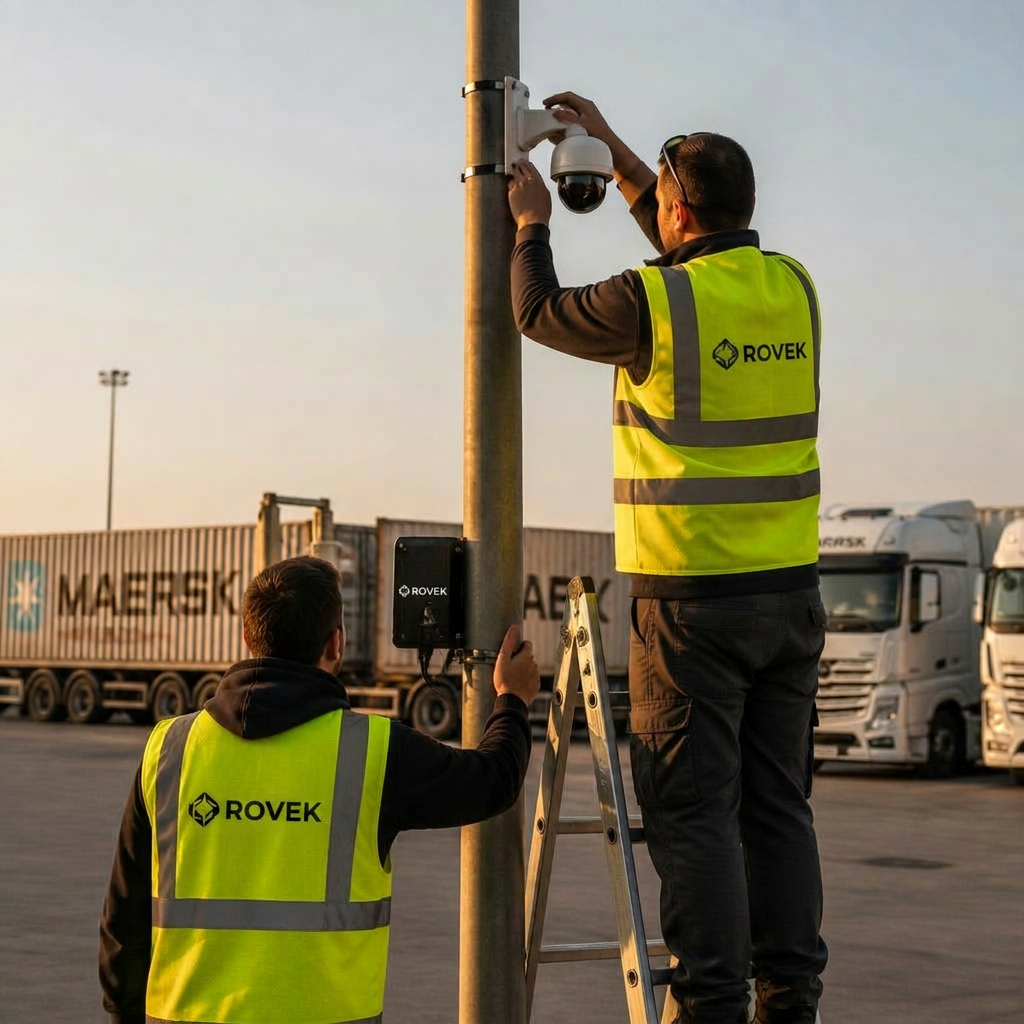
Industrial AI pilots often look promising, but scaling across real sites requires infrastructure, integration, training, and deployment discipline.
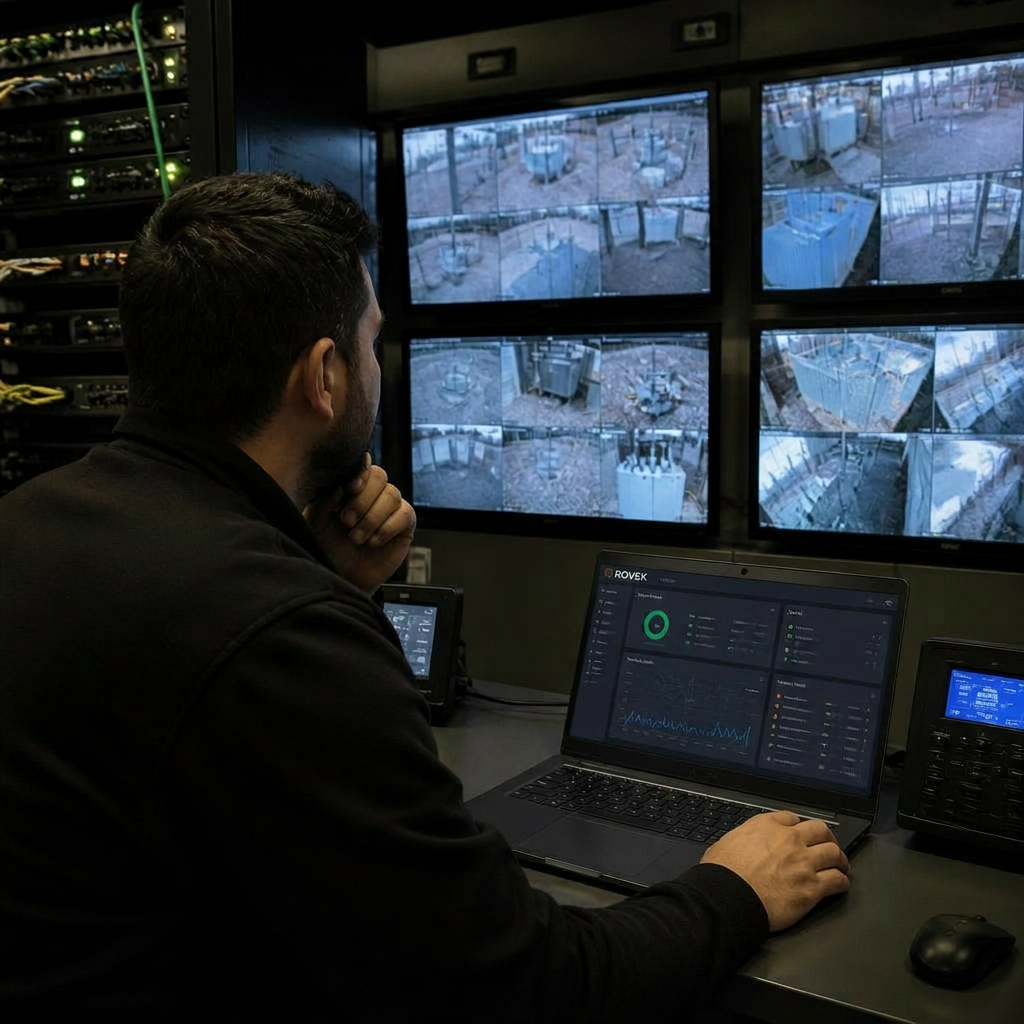 AI Agents & Workflow Automation
AI agents are starting to support repetitive operational work such as document search, work-order drafting, shipment communication, inspection reports, and shift summaries.
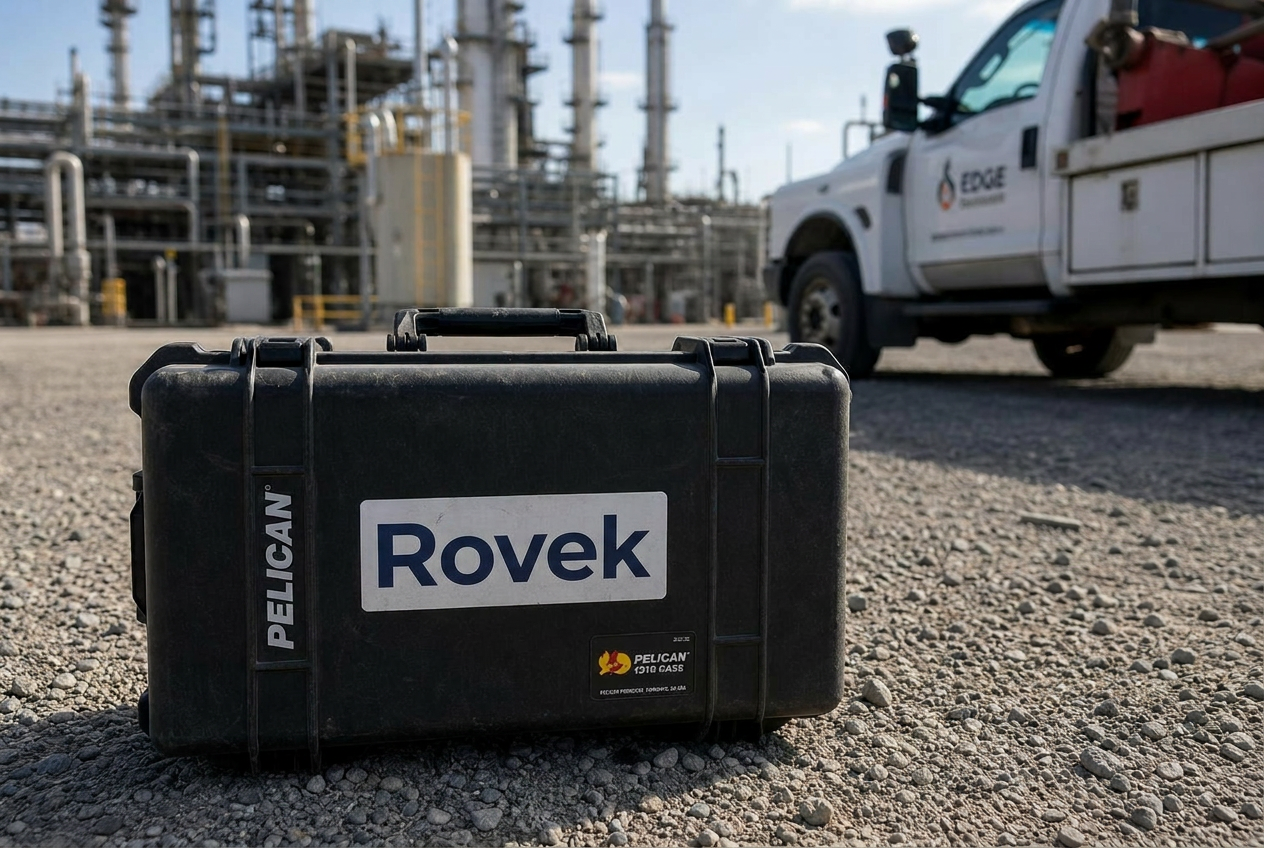 Announcement
Multi-pad rollout of cameras, thermal observation, and connectivity for an independent upstream operator.
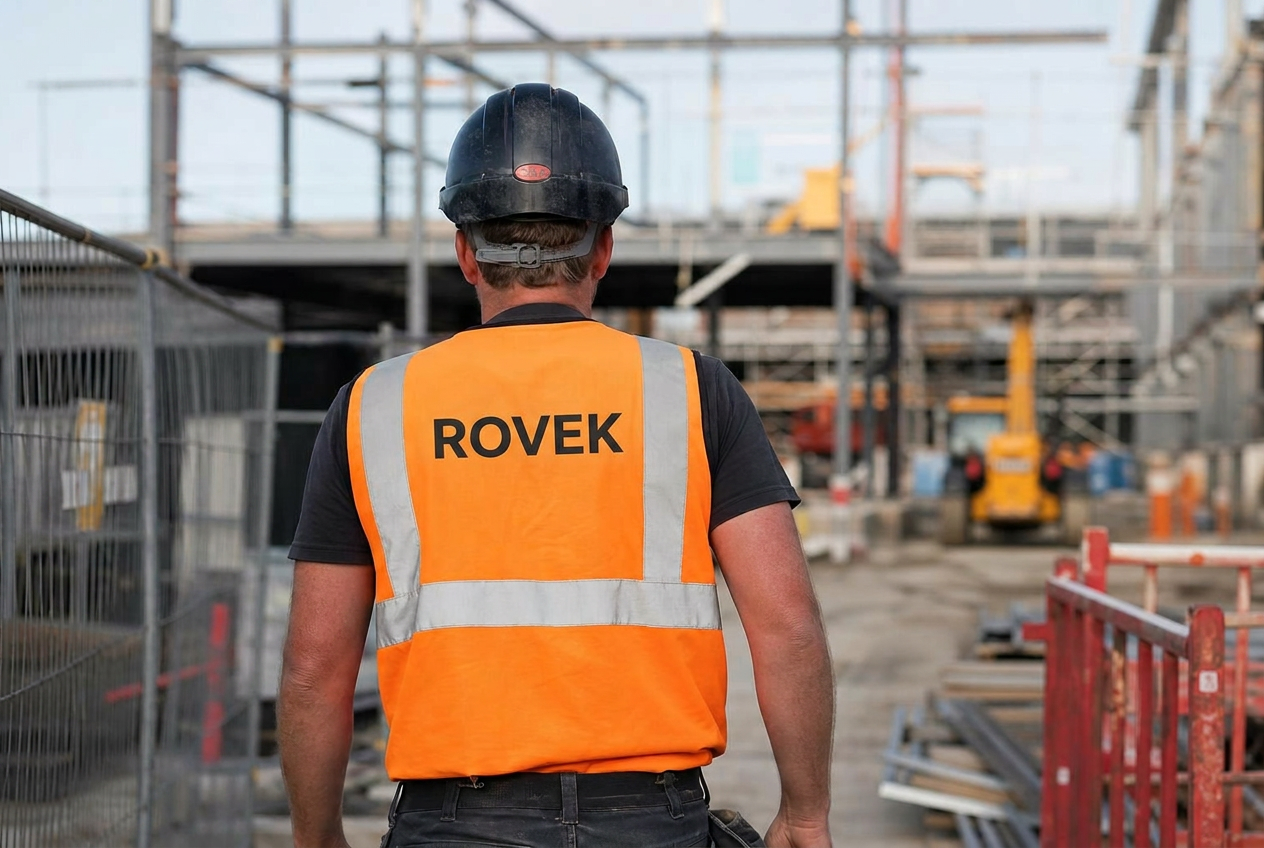 Announcement
Site cameras, 360 capture, and analytics tied to project controls for owner, GC, and major subs.
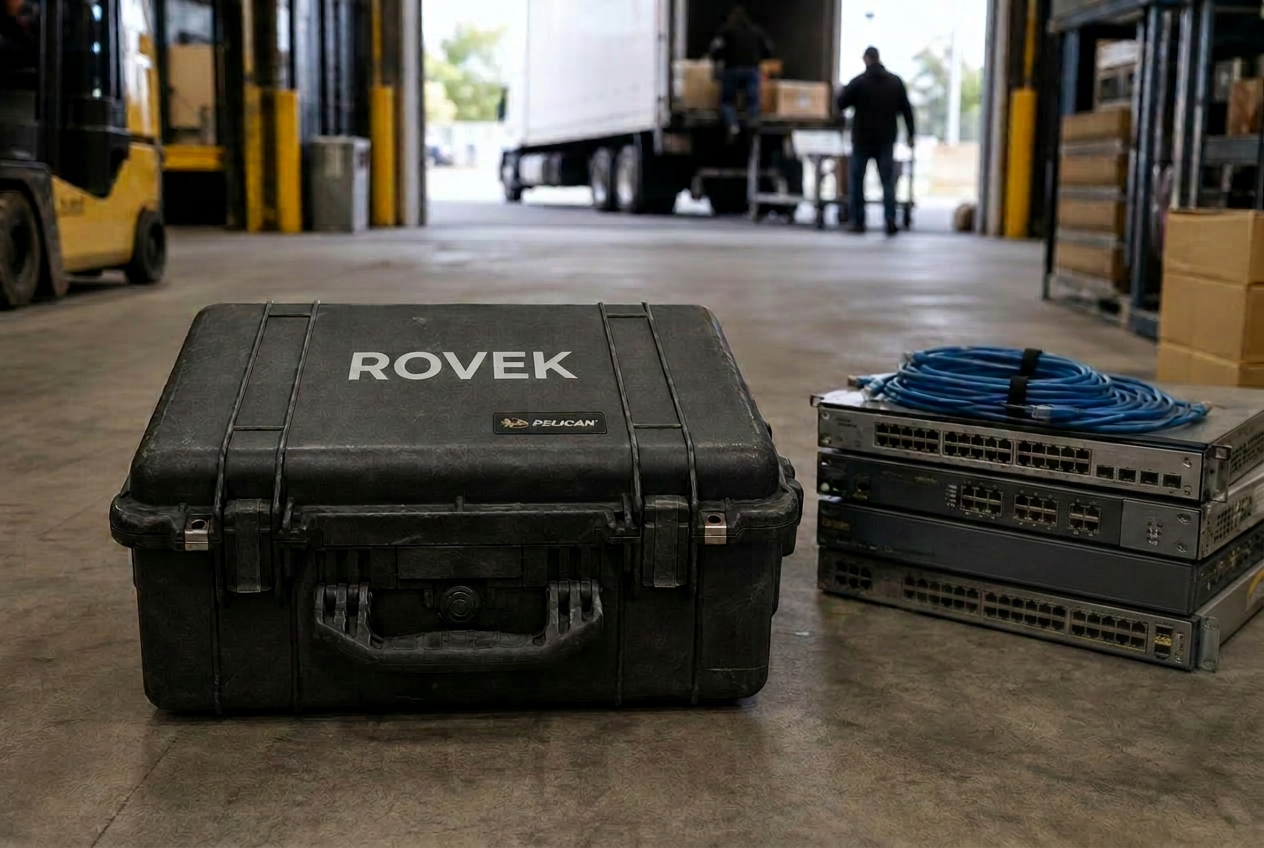 Announcement
Joint go-to-market across logistics, manufacturing, and energy customers in North America.
Computer VisionVision systems are expanding beyond isolated inspection stations into safety, logistics, asset monitoring, and operational visibility.
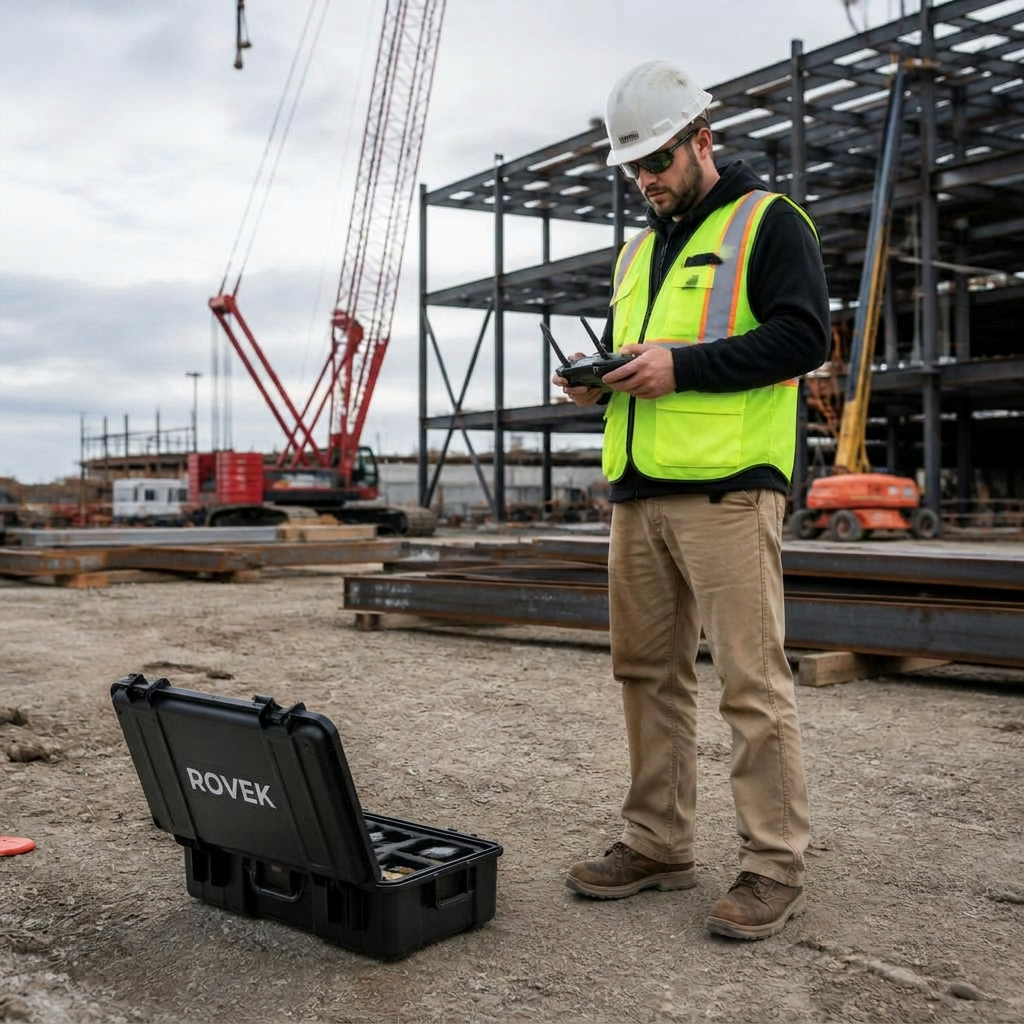 Construction Technology
Jobsite cameras, drone capture, and AI analytics are giving owners and contractors a more reliable record of work-in-place.
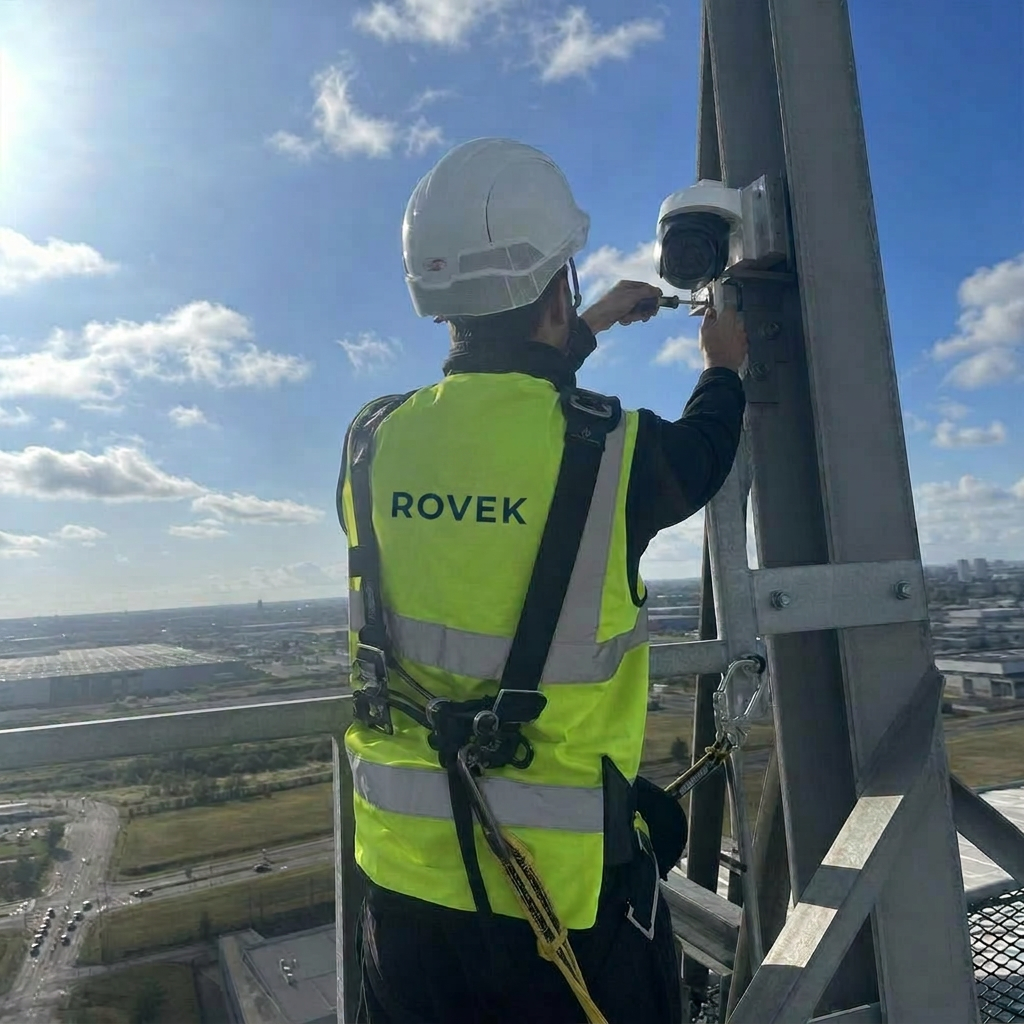 Warehouse & Logistics
Logistics teams are using camera-based intelligence to verify loading, capture damage, and resolve shipment exceptions faster.
 Predictive Maintenance
Modern machine health programs combine sensors, visual checks, and AI analytics tied to maintenance workflows.
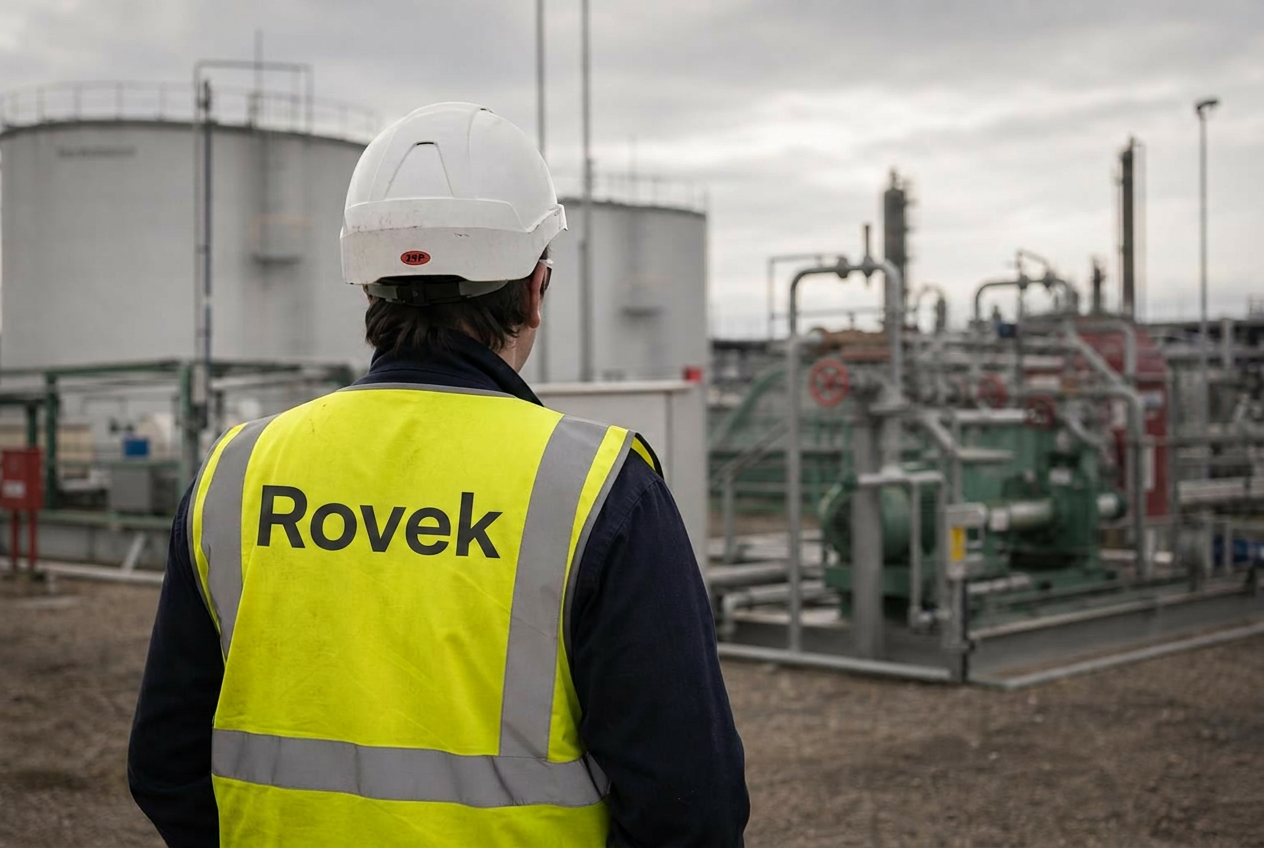 Oil, Gas & Energy
Cameras, sensors, and analytics help energy teams understand remote site conditions and prioritize field visits.
AI Agents & Workflow AutomationDetecting an event is only valuable when it triggers the right response. Workflow automation closes the loop.
Safety & EHSTraditional safety programs lag the events they aim to prevent. Camera analytics and sensors are giving teams earlier signals.
Digital Twins & Reality CaptureDigital twins are most useful when they stay connected to current field conditions, asset records, inspections, and project progress.
Connectivity & Edge InfrastructureComputer vision deployments depend on camera networks, local processing, reliable power, network design, and device monitoring.
Warehouse & LogisticsShipment evidence, dock records, damage capture, and trailer verification are becoming important tools for reducing disputes.
Computer VisionThe same cameras once used only for security can now support safety, quality, logistics, maintenance, and operations.
Predictive MaintenanceMachine health alerts only create value when teams know how to prioritize, respond, document, and prevent repeat failures.
Construction TechnologyRemote progress visibility gained importance after pandemic-era disruptions and continues to matter for owners and project teams.
Warehouse & LogisticsAfter years of disruption, operators looked for better ways to see inventory, shipments, labor constraints, and dock activity.
Oil, Gas & EnergyField operators increasingly look for ways to monitor remote assets, reduce unnecessary visits, and prioritize response.
COVID-Era Operations LessonsCOVID exposed gaps in labor availability, remote support, supplier resilience, and manual operating processes.
Computer VisionPhotos, video, and site capture help teams understand conditions, verify work, and resolve disputes faster.
COVID-Era Operations LessonsMany digital tools adopted during the pandemic became permanent because they solved problems that existed before COVID.
Warehouse & LogisticsDistribution operations faced labor constraints, demand swings, worker safety concerns, and pressure to move goods faster.
Manufacturing AIManufacturers looked for ways to support operators, troubleshoot equipment, and standardize processes with fewer people physically present.
Safety & EHSCOVID-era safety planning highlighted the need for better visibility into worker movement, spacing, site conditions, and exposure risk.
COVID-Era Operations LessonsThe pandemic forced industrial operators to prioritize remote visibility, safety controls, resilience, and faster digital adoption.
COVID-Era Operations LessonsFacilities looked for ways to reduce unnecessary physical contact while keeping production and distribution running.
Safety & EHSCOVID forced manufacturing sites to think differently about worker spacing, screening, line layout, shift changes, and site visibility.
Oil, Gas & EnergyTravel restrictions and workforce limitations increased interest in monitoring remote assets without sending people to every location.
Warehouse & LogisticsDemand swings, product shortages, labor constraints, and transportation disruption revealed where manual logistics processes could not keep up.
COVID-Era Operations LessonsDistribution operations stood up worker track-and-trace, shift cohorting, and contact-tracing workflows to keep facilities running through outbreaks.
COVID-Era Operations LessonsPlant leaders combined access control, shift records, and camera review to reconstruct worker interactions and limit production stoppages.
COVID-Era Operations LessonsAt the start of the pandemic, distribution operators realized they had strong shipment tracking and almost no visibility into what people and assets did inside the facility.
Engage
We will help assess the site, define the use case, identify the right solution path, and build a practical deployment plan.